Spend enough time around Florida homes and you start to notice something: some spaces feel effortlessly coastal, while others feel like they are trying a little too hard.
That difference usually has very little to do with how close the home is to the water.
A truly coastal home does not need starfish on the shelves, rope-wrapped lamps, or a heavy hand with blue and white. The homes that feel the most inviting, timeless, and beautiful tend to do something quieter than that. They borrow from the colors, textures, and pace of coastal living without turning the home into a theme.
That is where Coastal Modern comes in.
For many homeowners, this style hits the sweet spot. It feels fresh but not stark. Relaxed but still elevated. Coastal, but in a way that feels natural to how people actually want to live in Florida.
Whether you are building a new home or remodeling an older one, the goal is often the same: create a space that feels light, calm, welcoming, and connected to its surroundings. The design principles behind Coastal Modern help make that happen.
What Coastal Modern actually means
Coastal Modern is not about decorating your home to look like the beach. It is about creating a home that feels as relaxed, layered, and open as life near the coast should feel.
In practical terms, that usually means:
- clean lines
- a light, airy feel
- natural textures
- a restrained color palette
- comfortable furnishings
- materials that feel beautiful without feeling precious
It takes the warmth and ease people love about coastal interiors and pairs it with a more edited, current approach.
That is an important distinction, because one of the biggest mistakes people make with coastal design is starting with décor instead of starting with the feeling they want the home to have.
Where people often go wrong with coastal style
This is usually where homeowners get stuck.
They know they want the home to feel coastal, but what they end up with feels too literal, too trendy, or too busy. Instead of a calm, refined home, the space starts leaning into clichés.
A few common missteps:
- using too many obvious nautical references
- relying on bright beachy blues in every room
- choosing finishes based on trend rather than longevity
- forgetting warmth in the pursuit of an airy look
- layering in décor before the architecture and materials are working
The result can feel less like a beautiful Florida home and more like a vacation rental that was styled in one afternoon.
A Coastal Modern home works differently. It is less about “adding coastal” and more about making thoughtful choices from the ground up.
1. Let light and openness do the heavy lifting
One of the defining features of a Coastal Modern home is how it feels when you walk in.
It should feel open. Calm. Bright. Easy to move through.
That does not always mean huge rooms or walls of glass in every direction. More often, it means paying attention to how natural light moves through the house, how one space connects to the next, and where the eye lands when you enter a room.
In a new construction project, this may start early with layout decisions, window placement, ceiling details, and sightlines. In a remodel, it may mean simplifying what already exists, removing visual heaviness, or making the rooms feel more connected.
Before choosing furniture or styling shelves, the home needs a clear foundation. In many of the most successful coastal interiors, the architecture is doing much of the work. The design feels effortless because the space itself already feels settled.
2. Build the palette from Florida’s landscape, not from beach décor
When people think “coastal,” they often jump straight to blue.
But the most beautiful coastal homes in Florida usually draw from a much broader palette than that.
Think of the colors that actually surround you here: sand, driftwood, shell, soft white, warm stone, weathered wood, muted greens, pale sky, and the occasional soft blue-gray. That palette feels grounded and calm because it reflects the natural environment without copying it too literally.
In a Coastal Modern home, color tends to be quieter and more intentional. Warm whites often work better than stark whites. Subtle variation usually feels better than sharp contrast. And blue, when it is used, tends to be one note in the room rather than the entire song.
This is one of those shifts that can completely change the feel of a home. When the palette is rooted in the landscape, the design feels timeless. When it leans too hard into obvious “coastal colors,” it can start to feel dated much faster.
3. Use texture to create warmth
A light palette only works if the room still has depth.
That depth usually comes from texture.
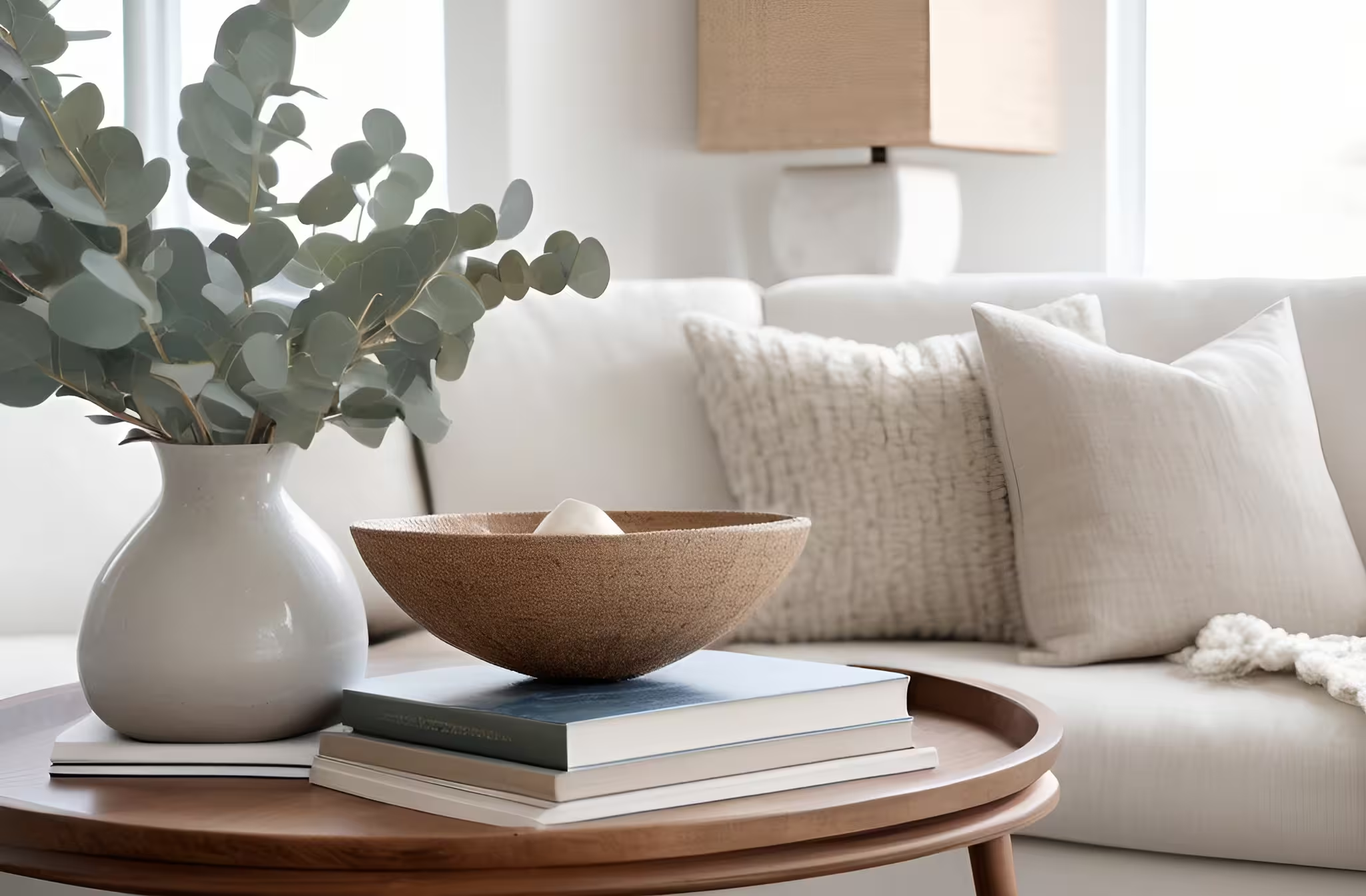
This is where Coastal Modern becomes especially inviting. Rather than relying on pattern or heavy ornament, it layers in warmth through materiality. Linen drapery, woven accents, natural wood tones, stone, plaster-like finishes, soft upholstery, and tactile surfaces all help a room feel relaxed and refined at the same time.
Texture is also what keeps a coastal interior from feeling flat. If everything is pale and smooth, the room can quickly feel cold. But when you add natural grain, softness, and variation, the space starts to feel lived in and welcoming.
This is often where a home begins to have those “aha” moments. The room may not be filled with dramatic color, but it feels rich anyway. That is the power of thoughtful layering.
4. Keep furnishings simple, comfortable, and intentional
A Coastal Modern home should never feel overcrowded.
That does not mean it has to feel sparse. It simply means every piece should have a reason for being there.
The furniture should feel clean-lined but comfortable. The room should have breathing room. There should be a sense of ease in how everything sits together.
This is especially important in high-traffic homes, second homes, and family homes where people really use the space. Beautiful interiors are not just for looking at. They need to support everyday life.
That is why comfort matters so much in this style. A room can be elevated without feeling stiff. It can be polished without feeling untouchable. In fact, the most successful Coastal Modern homes tend to be the ones that feel the most natural to live in.
5. Make indoor-outdoor living feel seamless
Florida living is as much about what happens outside the walls of the home as what happens inside them.
That is why indoor-outdoor flow matters so much in coastal design.
A Coastal Modern home often feels best when the exterior spaces feel connected to the interiors, not like an afterthought. That may mean repeating certain tones or textures outside, choosing furnishings that visually relate to the interior palette, or simply making sure transitions feel smooth and intentional.
When this is done well, patios, lanais, porches, and pool areas feel like an extension of the home. The whole property begins to feel cohesive.
This is one of the reasons the style works so well in places like Amelia Island, Ponte Vedra Beach, Jacksonville Beach, Neptune Beach, Avondale, San Marco, and Ortega Forest. The lifestyle naturally invites that openness. The design should support it.
6. Choose materials that work for real Florida living
A beautiful home still has to function well.
That matters everywhere, but especially in Florida, where humidity, sand, entertaining, pets, and everyday wear all become part of the equation.
Coastal Modern interiors work best when the materials are both beautiful and practical. That might mean performance fabrics that hold up to daily life, finishes that are easier to maintain, rugs that can handle traffic, or surfaces that feel elevated without demanding constant upkeep.
This is one of the reasons good design is about more than selecting pretty things. It is about knowing which materials will not only look right on installation day, but still feel right after real life has happened in the home.
From new construction to remodels, the process is surprisingly similar
Many homeowners assume a new build and a remodel require completely different thinking. In some ways they do, but the heart of the design process is often the same.
In both cases, the goal is to create clarity.
What should the home feel like? How should the rooms function? What materials belong there? Where should the eye rest? What needs to be edited out so the home can breathe?
In a new construction project, you have the benefit of making those decisions earlier. In a remodel, you often work by refining, simplifying, and reimagining what is already there. But in both cases, Coastal Modern works best when it is approached as a full design language, not a decorating package applied at the end.
A coastal home should feel natural, not forced
At its best, Coastal Modern interior design creates a home that feels calm, welcoming, and deeply connected to place.
It does not shout “coastal.” It whispers it.
That is often the difference between a home that looks styled and a home that truly feels right.
For homeowners in North Florida, that approach makes a lot of sense. Coastal living here is not one-size-fits-all. A home in Amelia Island may speak differently than one in Ponte Vedra Beach or San Marco. But the underlying principles remain the same: light, texture, ease, comfort, and a quiet confidence in the choices being made.
That is what makes a Florida coastal home feel coastal in a lasting way.
FAQ
What is Coastal Modern interior design?
Coastal Modern interior design blends the relaxed feel of coastal living with cleaner lines, natural textures, and a more current, refined approach. It feels bright and airy without relying on overly themed beach décor.
What is the difference between Coastal Modern and traditional coastal style?
Traditional coastal style can lean more decorative and literal, often using obvious nautical references and stronger coastal motifs. Coastal Modern takes a more restrained approach, focusing on atmosphere, texture, natural materials, and simple, timeless design choices.
What colors work best in a Florida coastal home?
Some of the best colors for a Florida coastal home are warm whites, sand tones, soft taupes, weathered wood tones, muted greens, and gentle blue-grays. The goal is usually to reflect the natural landscape rather than overdo a “beachy” palette.
Can Coastal Modern work for both new builds and remodels?
Yes. In a new build, Coastal Modern can guide layout, finishes, and architectural details from the beginning. In a remodel, it helps simplify and refine the home so the final result feels lighter, more connected, and more timeless.